
โลกของการตรวจสอบยุคใหม่ หรือ “Modern Public Auditing” ผู้ตรวจสอบไม่ได้ทำหน้าที่เพียงแค่การไล่เบี้ยหาตัวเลขที่จ่ายผิดอย่างเดียว หรือตรวจใบสำคัญให้ครบถ้วนตามระเบียบเท่านั้น… แต่บทบาทขององค์กรการตรวจเงินแผ่นดินทั่วโลกกำลังขยับเข้าสู่การเป็น “Thought Partner” หรือเพื่อนคู่คิดของรัฐในการรับมือกับความเสี่ยงระดับมหภาค “ความเสี่ยงหนึ่งที่หลีกเลี่ยงไม่ได้” (The Inevitable Risk) ของ Mega trend ในปัจจุบัน คือ สังคมสูงวัย (Aging Society) ซึ่งผู้เขียนขออนุญาตพาทุกท่านข้ามไปดูว่าเพื่อนบ้านเราอย่างญี่ปุ่นและเกาหลีใต้ เขามีมุมมองการตรวจสอบเรื่องนี้อย่างไร
🇯🇵 ญี่ปุ่น: ตรวจสอบเพื่อความยั่งยืนทางการคลัง (Audit for Fiscal Sustainability) ญี่ปุ่นไม่ได้มองว่าการดูแลผู้สูงอายุเป็นเพียงเรื่อง “สวัสดิการ” แต่เขามองเรื่อง “รายจ่ายผูกพันทางการคลัง”ควบคู่กัน ที่ต้องบริหารจัดการให้สมดุล Board of Audit of Japan (BOA) ได้ทำการตรวจสอบผลสัมฤทธิ์และประสิทธิภาพการดำเนินงาน (Performance Audit) โดย BOA เข้าไปวิเคราะห์ประสิทธิภาพของระบบประกันการดูแลระยะยาว (LTCI) BOA พบว่า ถ้าเรายังใช้โมเดลเดิมที่รัฐอุดหนุนแบบเหมาเข่ง ระบบอาจรับไม่ไหวภายในไม่เกิน 2 ทศวรรษ รายงานของ BOA นำไปสู่การผลักดันเชิงนโยบายกล่าวคือ การปรับเกณฑ์การร่วมจ่ายตามฐานะ (Means-test) ของผู้สูงอายุ เพื่อให้คนที่มีกำลังจ่ายช่วยแบกรับระบบ และรักษางบประมาณไว้ช่วยกลุ่มที่เปราะบางจริงๆ นี่คือการสร้าง Equity หรือความเท่าเทียมผ่านการตรวจสอบ
🇰🇷 เกาหลีใต้: ตรวจสอบเพื่อคุณภาพชีวิตและการมีงานทำ (Audit for Quality of Life) ขณะที่ BAI ของเกาหลีใต้ ให้ความสำคัญกับ “ศักดิ์ศรีของความเป็นมนุษย์” และ “รายได้หลังเกษียณ” เพราะ BAI พบว่าความยากจนในวัยชรานำไปสู่ปัญหาสังคมที่รุนแรงกว่า BAI ตรวจสอบแผนแม่บทประชากร โดยชี้ให้เห็นว่าการอัดฉีดงบประมาณเพื่อสร้างงานผู้สูงอายุแบบ “งานชั่วคราว” (Temporary Jobs) นั้นไม่ได้ช่วยให้เกิดความยั่งยืน
ข้อเสนอแนะของ BAI ทำให้เกิดการรื้อโครงสร้างการจ้างงานผู้สูงอายุใหม่ โดยมุ่งเน้นที่ Skill-based Jobs หรือการดึงทักษะเดิมของผู้สูงอายุมาใช้ในรูปแบบเศรษฐกิจใหม่ (Silver Economy) ทำให้ผู้สูงอายุไม่เป็น “ภาระ” แต่เป็น “พลัง” ของชาติ
โลกการตรวจสอบสมัยใหม่มองว่าการตรวจเงินแผ่นดิน คือ การให้มุมมองที่สร้างสรรค์ในเรื่องการใช้ทรัพยากรรัฐ ประเด็น Aging Society นั้นเรากำลังมุ่งเน้นไปที่ เรื่อง High-Impact Auditing งานตรวจเงินแผ่นดินในบริบทสังคมสูงวัย ไม่ใช่แค่การตรวจสอบ “ความถูกต้อง” (Doing things right) แต่คือการตรวจสอบ “สิ่งที่ถูกต้อง” (Doing the right things) เพื่อให้มั่นใจว่าเงินทุกบาทที่มาจากภาษีประชาชน ถูกใช้เพื่อสร้างหลักประกันให้คนไทยทุกคนมีวัยชราที่มีคุณภาพและมีศักดิ์ศรี
บทความโดย ดร.สุทธิ สุนทรานุรักษ์ 23 ม.ค.69

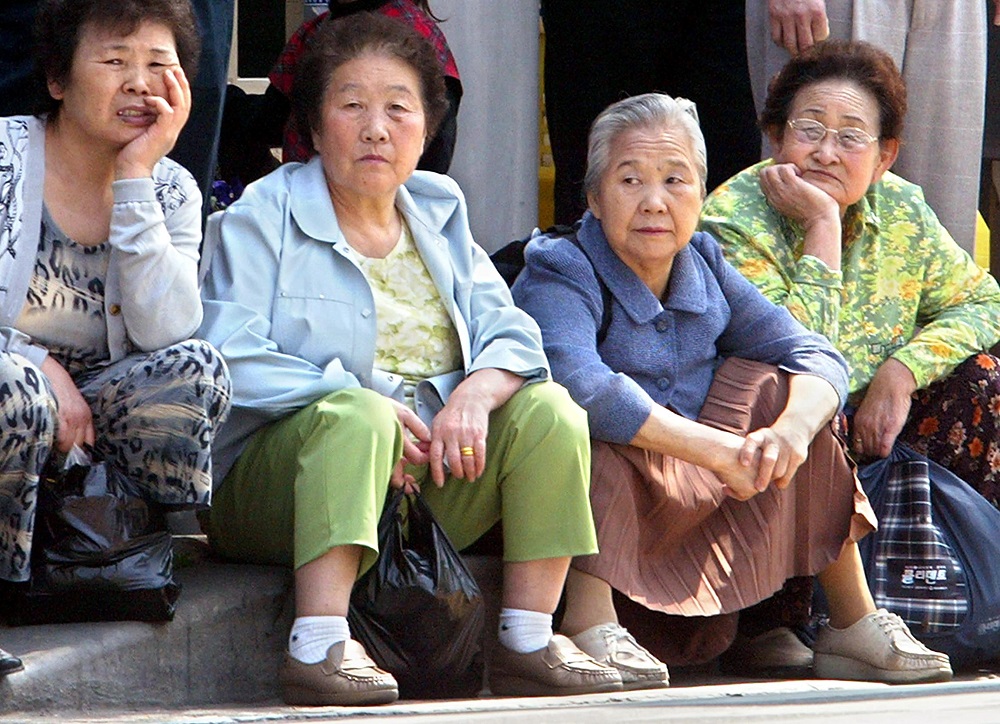
When the “Aging Society Wave” hits the government: lessons on the country’s sovereign checks from Japan and South Korea.
Modern Public Auditing, or “Modern Public Auditing,” is not just about chasing mispaid figures or checking their bills in full compliance. . However, the role of the global Audit Organization is moving toward becoming a “Though Partner,” or fellow state thinker, in dealing with macro-risk. Megatrend’s current “The Inevitable Risk” is the aging society, where the author asks permission to take everyone across to see if our neighbors like Japan and South Korea. What is his view of the investigation?
🇯🇵 JAPAN: Audit for Fiscal Sustainability Japan does not view elderly care as just a “welfare” issue, but rather a “fiscal commitment expense” that must be managed in balance. The Board of Audit of Japan (BOA) conducted a performance audit by the BOA. To analyze the effectiveness of the Long-Term Care Insurance system (LTCI) BOA, it was found that if we use the same model that the state-funded subsidy system could not be tolerated in more than two decades, the BOA report led to a policy push to adjust the Means-test for the elderly to help the people who are paying to help carry and maintain their budget. This is the creation of equity or equity through verification.
🇰🇷 South Korea: Audit for Quality of Life (BAI), while South Korea’s BAI places importance on “human dignity” and “income after retirement” as BAI finds that aging poverty leads to more serious social problems. BAI examines the population master plan, pointing out that budget injection to create “temporary” elderly jobs. (Jobs) That doesn’t help sustainability.
The BAI’s recommendation has led to the dismantling of the elderly employment structure, focusing on Skill-based Jobs, or the extraction of older people’s old skills in a new economic model (Silver Economy), making the elderly not a “burden” but a “power” of the nation.
The modern world of auditing sees the money and the land as a creative perspective on the use of state resources. The issue of Aging Society is focusing on High-Impact Auditing, the work of checking the land in an older society, not just checking the “doing things right” but checking the “doing the right things.” To ensure that every Baht from the People’s Tax is used to ensure that all Thai people have a quality and dignity old age.
Article by Dr. Suthi Sunthonanurak 23 m. C.69…
https://thailandtoday2020news.blogspot.com/2026/01/blog-post_23.html