

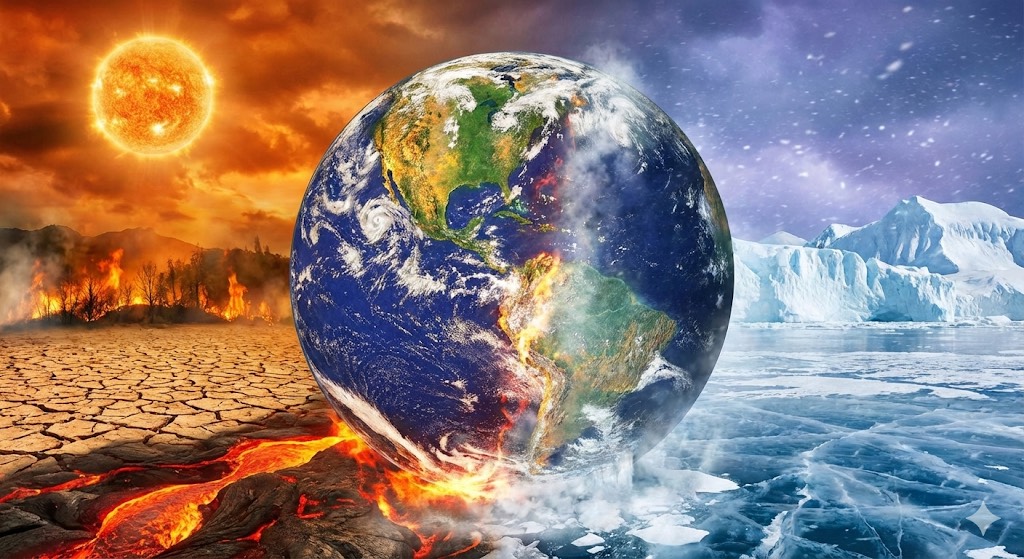
ทำไมทั่วโลกหนาวร้อนแล้งท่วมสุดขั้วพร้อมกันต้นปี 2026?
บทสรุประบบปรับอากาศของโลกพังแล้ว โดย อลงกรณ์ พลบุตร ประธานมูลนิธิเวิลด์วิว ไครเมท(Worldview Climate Foundation)ประธานสถาบันเอฟเคไอไอ.(FKII Thailand) “…ปรากฏการณ์ยุโรปหนาวสุดขั้ว ออสเตรเลียร้อนสุดขีด อเมริกาใต้แล้งสุดทน แอฟริกาน้ำท่วมรุนแรงภายใต้ความโกลาหลของสภาพภูมิอากาศ (Climate Chaos)” ในขณะที่ยุโรปกำลังเผชิญสภาพอากาศหนาวเยือกสุดขั้วที่เรียกว่าหนึ่งใน คลื่นความหนาวจัด (cold wave) ที่รุนแรงที่สุดแต่ในอีกซีกโลกกลับเผชิญร้อนสุดขั้วแล้งสุดขีดและน้ำท่วมรุนแรง ปรากฏการณ์ความแปรปรวนของสภาพภูมิอากาศในต้นปี 2026 นี้ คือภาพสะท้อนที่ชัดเจนที่สุดของสิ่งที่นักวิทยาศาสตร์เรียกว่า “Global Weirding” หรือ “ความแปรปรวนของสภาพภูมิอากาศโลก” ครับ
หลายคนงุนงงว่ายุโรปหนาวสุดขั้วได้อย่างไรไหนว่าโลกร้อนโลกเดือด จริงๆแล้วปรากฏการณ์นี้ไม่ใช่เรื่องขัดแย้งกับ “ภาวะโลกร้อน” (Global Warming) เลยแม้แต่น้อย แต่กลับเป็นผลลัพธ์โดยตรงจากอุณหภูมิเฉลี่ยของโลกที่สูงขึ้น ซึ่งไปปั่นป่วนกลไกควบคุมสภาพอากาศของโลกให้รวนไปหมด เพื่อให้เข้าใจง่ายขึ้น ผมขออธิบายกลไกทางวิทยาศาสตร์ที่อยู่เบื้องหลังความสุดขั้วทั้ง “ร้อนจัด” และ “หนาวจัด” ที่เกิดขึ้นพร้อมกัน ดังนี้ครับ:
1. ทำไมโลกร้อนขึ้น แต่กลับมี “คลื่นความหนาว” (Cold Spell)? คำตอบอยู่ที่ “กระแสลมกรด” (Jet Stream) เป็นกระแสลมความเร็วสูงที่พัดวนรอบโลกในชั้นบรรยากาศระดับสูงที่อ่อนกำลังลงครับ
• ภาวะปกติ: ปกติแล้ว ขั้วโลกเหนือจะหนาวเย็นมาก ส่วนเส้นศูนย์สูตรจะร้อน ความแตกต่างของอุณหภูมินี้ทำให้เกิดกระแสลมแรงที่เรียกว่า “Jet Stream” พัดวนรอบขั้วโลก ทำหน้าที่เหมือน “รั้ว” กั้นความหนาวไว้ข้างบน
• สิ่งที่เกิดขึ้นตอนนี้: เมื่อโลก(โดยเฉพาะขั้วโลก) ร้อนขึ้น ความแตกต่างของอุณหภูมิระหว่างขั้วโลกกับเส้นศูนย์สูตรลดน้อยลง ทำให้ Jet Stream อ่อนกำลังและไหลเอื่อย
• ผลลัพธ์: แทนที่จะพัดเป็นวงกลมเรียบๆ Jet Stream จะเริ่มคดเคี้ยวเหมือนงูเลื้อย (Wavy Jet Stream):
• ช่วงที่โค้งขึ้น: ดึงเอาอากาศร้อนจากเส้นศูนย์สูตรขึ้นไปทางเหนือ เกิด คลื่นความร้อน (Heatwave) ในที่ที่ไม่ควรจะร้อน
• ช่วงที่โค้งลง: ปล่อยให้อากาศเย็นจัดจากขั้วโลก (Polar Vortex) รั่วไหลลงมาสู่ละติจูดต่ำ \rightarrow เกิด คลื่นความหนาว (Cold Spell) ในที่ที่ไม่ควรจะหนาว
2. พลังงานความร้อน = เชื้อเพลิงของพายุ
หลักการทางฟิสิกส์พื้นฐานคือ “ความร้อนคือพลังงาน” ครับ เมื่อมหาสมุทรและชั้นบรรยากาศสะสมความร้อนมากขึ้น แปลว่าระบบสภาพอากาศมี “พลังงาน” มากขึ้นที่จะเหวี่ยงให้เกิดเหตุการณ์รุนแรง
• วัฏจักรน้ำที่รุนแรงขึ้น: อากาศที่ร้อนขึ้นทุก 1°C จะอุ้มไอน้ำได้มากขึ้นประมาณ 7%
• เมื่อฝนตก มันจึงไม่ใช่แค่ฝนธรรมดา แต่เป็น Rain Bomb หรือน้ำท่วมฉับพลัน
• เมื่อพายุหมุนก่อตัว มันจะดูดซับพลังงานจากผิวน้ำที่อุ่นจัด จนกลายเป็นพายุระดับ Super Typhoon ได้รวดเร็วขึ้น
3. ระบบมหาสมุทรที่ผันผวน (Ocean Circulation)
ในปี 2026 เราอาจกำลังเผชิญกับจุดเปลี่ยนของกระแสน้ำอุ่นและน้ำเย็นในมหาสมุทร (เช่น ปรากฏการณ์ El Niño/La Niña ที่ถี่และรุนแรงขึ้น หรือการชะลอตัวของกระแสน้ำ AMOC ในแอตแลนติก) ซึ่งกระแสน้ำเหล่านี้เปรียบเสมือน “สายพานลำเลียงความร้อน” ของโลก เมื่อสายพานนี้ทำงานผิดปกติ การกระจายความร้อนก็ผิดเพี้ยน ทำให้บางพื้นที่ร้อนตับแตก ขณะที่อีกฝั่งหนาวจับใจ
4. ทำไมจึง “คาดการณ์ยากและเสี่ยงสูง”?
สิ่งที่เราเจอในปี 2026 ไม่ใช่แค่ “อากาศเปลี่ยน” แต่เป็น “ความโกลาหลของสภาพอากาศภูมิอากาศ” (Climate Chaos)
• ความแปรปรวนใหม่: ฤดูกาลไม่เป็นไปตามปฏิทิน การเกษตรที่พึ่งพาฤดูกาลจะเสียหาย
• ภัยซ้อนภัย (Compound Events): เราอาจเจอภัยแล้งที่ตามมาด้วยน้ำท่วมทันที หรือคลื่นความร้อนที่มาพร้อมกับไฟป่าและฝุ่นพิษ
• ภูมิอากาศล็อค : รูปแบบลมที่คดเคี้ยว (จากข้อ 1) อาจ “ล็อก” อยู่กับที่นานผิดปกติ ทำให้พื้นที่หนึ่งร้อนนานหลายสัปดาห์ (Heat Dome) หรือฝนตกแช่อยู่ที่เดิมจนจมบาดาล
จากข้อมูลเหตุการณ์สภาพอากาศโลกในช่วงต้นปี 2026 ซึ่งเป็นช่วงเวลาเดียวกันกับที่ยุโรปกำลังเผชิญพายุหิมะและความหนาวเย็นผิดปกติ (Cold Snap) เราพบการแบ่งขั้วของสภาพอากาศที่ชัดเจนในซีกโลกอื่น ๆ ดังนี้ครับ
1. ประเทศที่ “ร้อนสุดขั้ว” (Extreme Heat) ในขณะที่ยุโรปหนาวสั่น ซีกโลกใต้ซึ่งเป็นฤดูร้อนกลับร้อนแรงผิดปกติ โดยเฉพาะ:
• ออสเตรเลีย (ตอนใต้): ช่วงเดือนมกราคม 2026 พื้นที่ทางตอนใต้ของออสเตรเลียเผชิญกับคลื่นความร้อนรุนแรง (Heatwave) อุณหภูมิพุ่งสูงแตะระดับ 40-45°C ในหลายพื้นที่ ทางการต้องประกาศเตือนภัยระดับสูง ซึ่งตรงข้ามกับยุโรปอย่างสิ้นเชิง
• อเมริกาใต้ (บางส่วน): ประเทศอาร์เจนตินาและชิลีเผชิญกับคลื่นความร้อนที่มาเร็วกว่าปกติและยาวนาน ส่งผลกระทบต่อสุขภาพและเสี่ยงต่อไฟป่า
2. ประเทศที่ “แล้งสุดขั้ว” (Severe Drought)
ความร้อนที่สะสมมานาน ประกอบกับปรากฏการณ์ La Niña อ่อนๆ ที่ยังหลงเหลือ หรือช่วงเปลี่ยนผ่าน ส่งผลให้เกิดความแห้งแล้งในพื้นที่เกษตรกรรมสำคัญ:
• บราซิล (ตอนกลางและตะวันออก): เผชิญวิกฤตภัยแล้งต่อเนื่อง (Prolonged Drought) ระดับน้ำในแม่น้ำสายหลักลดต่ำลงอย่างน่าตกใจ กระทบต่อการผลิตไฟฟ้าพลังน้ำและการส่งออกสินค้าเกษตร
• อาร์เจนตินา (ตอนกลาง): พื้นที่ปลูกถั่วเหลืองและข้าวโพดเจอกับสภาพอากาศที่ “แห้งและร้อนกว่าปกติ” ซ้ำเติมปัญหาเศรษฐกิจของประเทศ
3. ประเทศที่ “น้ำท่วมรุนแรง” (Severe Floods)
ในขณะที่บางที่แล้งจัด พลังงานความร้อนในมหาสมุทรกลับผลักดันให้พายุฝนรุนแรงขึ้นในอีกซีกโลก:
• ออสเตรเลีย (ตอนเหนือ – รัฐควีนส์แลนด์) นี่คือตัวอย่างของความสุดขั้วในประเทศเดียว ในขณะที่ทางใต้ร้อนตับแตก ทางเหนือกลับเจอพายุไซโคลนและลมมรสุมที่หอบฝนมาถล่มจนเกิดน้ำท่วมใหญ่ (Widespread Flooding) ปริมาณน้ำฝนสะสมสูงระดับทำลายสถิติ
• โมซัมบิก และ แอฟริกาตอนใต้: พื้นที่จังหวัด Zambézia และใกล้เคียง เจอกับพายุฝนฟ้าคะนองรุนแรงและน้ำท่วมฉับพลัน ส่งผลให้มีผู้เสียชีวิตและต้องอพยพประชาชนจำนวนมาก บ้านเรือนถูกทำลายจากทั้งน้ำและลมพายุ
สรุปภาพรวม
ปรากฏการณ์นี้เรียกว่า “Climate Dipole” หรือขั้วตรงข้ามทางภูมิอากาศ การที่ Jet Stream (กระแสลมกรด) บิดเบี้ยวจนล็อกความหนาวไว้ที่ยุโรป มันก็ไปล็อกความร้อนและความชื้นไว้ในพื้นที่อื่นในเวลาเดียวกัน ทำให้เกิดภัยพิบัติพร้อมกันทั่วโลกเป็นความแตกต่างอย่างสุดขั้วของสภาพอากาศโลกที่เกิดขึ้นพร้อมกันได้ชัดเจนยิ่งขึ้นครับ
บทสรุปสำหรับสถานการณ์ปี 2026:
การที่โลกหนาวจัดและร้อนจัดในช่วงเวลาใกล้เคียงกัน คือหลักฐานยืนยันว่า “ระบบปรับอากาศของโลกพังทลายลงแล้ว”จากการเปลี่ยนแปลงจากโลกร้อนสู่โลกเดือด

Why is it that all over the world the same extreme cold that began in 2026?
The summary of the world’s air conditioning system is broken by Alongkorn Ponlaboot, president of the Worldview Climate Foundation, president of the FKI Institute. (FKII Thailand) “… The phenomenon of Europe’s extreme cold, Australia’s extreme heat, South America’s extreme drought, Africa’s severe flooding under Climate Chaos, while Europe is facing the extreme cold climate known as one of the most severe cold waves, but in the other world, it is extremely hot, extreme drought and severe flooding. The climate change phenomenon in early 2026 is the most vivid reflection of what scientists call “Global Weirding” or “global climate change.”
Many people are baffled by how extreme Europe can be. Global warming is actually not in the least contradictory to global warming, but a direct result of the rising global average temperature, which has disrupted the climate control mechanisms of the Earth to make it easier to understand. Let me explain the scientific mechanism behind both extreme and extreme cold that happen simultaneously. Here we go. :
1. Why is the Earth warming, and there’s a Cold Spell?
The answer is, “Jet Stream,” a high-speed air current that winds around the Earth in a high-level atmosphere that is weakening.
• Normal: Usually, the North Pole is very cold and the equator is hot. This temperature difference creates a strong wind called “Jet Stream” that winds around the pole, acting like a “fence” that blocks the cold above.
• What’s happening now: As the Earth (especially the poles) gets warmer, the temperature difference between the poles and the equator decreases, making Jet Stream weak and sluggish.
• Result: Instead of blowing in a simple circle, Jet Stream will start to crooked like a viper (Wavy Jet Stream):
• Curved up: Pull the hot air from the equator to the north, causing heat waves in places that should not be hot.
• Curved: Allow the cold air from the polar vortex to leak into the low latitude rightarrow. Cold Spell occurs where it shouldn’t be cold.
2. the fuel of the storm=the storm’s fuel
The basic principle of physics is “heat is energy.” As oceans and atmospheres accumulate more heat, it means that the weather system has more “energy” to throw into violent events.
• More severe water cycle: The warmer air every 1°C holds about 7% more steam.
• When it rains, it’s not just rain, it’s rain, it’s rain bomb, or flash flood.
• When a whirlwind forms, it absorbs energy from the warm surface of the water until it becomes a Super Typhoon more quickly.
3. Ocean Circulation (Ocean Circulation)
By 2026, we may be facing a turning point for warm and cold ocean currents (e.g., the El Niño/La Niña phenomenon, more frequent and more severe, or the slowdown of the Atlantic AMOC). These currents are like the “heat conveyor belt” of the world. When this conveyor belt malfunctions, the heat distribution is distorted, causing some areas to heat and break while the cold.
4. Why “Hard to Anticipate and High Risk “?
What we found in 2026 was not just climate change, but climate Chaos.
• New variability: Season does not follow the calendar. Seasonal dependent agriculture will be damaged.
• Compound Events: We may experience drought immediately followed by flooding or heat waves accompanied by forest fires and toxic dust.
• Locked climate: A crooked wind pattern (from verse 1) may “lock” for an unusually long time, causing a certain area to heat for several weeks or rain to soak in the same place until it is submerged.
According to the early 2026, the same time that Europe was facing a snowstorm and a cold snap, we found clear polarization in other hemispheres as follows.
1. “Extreme Heat” countries, while cold Europe shakes, the southern hemisphere, which is summer, is unusually hot, especially:
• Australia (Southern): In January 2026, southern Australia experienced severe heat waves. Temperatures reached 40-45°C in many areas. The authorities had to issue a high level of warning, completely contrary to Europe.
• South America (partial): Argentina and Chile are faced with a heat wave that comes earlier than usual and lasts longer, affecting health and risking forest fires.
2. Severe Droughts (Severe Droughts)
Long-term heat accumulation, coupled with the remaining soft La Ni ña phenomenon or transition, has resulted in drought in major agricultural areas:
• Brazil (central and eastern part): Faced with a continuous drought crisis (Prolonged Droughts), water levels in major rivers have dropped dramatically, affecting hydroelectricity and agricultural exports.
• Argentina (central): Soybean and corn cultivation areas face “dry and hotter than usual” weather, adding to the country’s economic problems.
3. Severe Flooding Countries
While some extreme droughts, ocean heat drives rainstorms to intensify in the other hemisphere:
• Australia (North – Queensland) Here’s an example of extreme weather in a single country. While the South is seething, the North is exposed to cyclones and monsoon winds that cause torrential flooding, record-breaking cumulative rainfall.
• MOSAMBIC and SOUTH AFRICA: The Zambézia and nearby provinces experienced severe thunderstorms and flash floods resulting in massive casualties and mass evacuation. Houses were destroyed by both water and windstorms.
Overview
This phenomenon is called “Climate Dipole,” or climate opposite. Jet Stream’s twisting and locking the cold in Europe, it locks the heat and humidity in other areas at the same time, causing simultaneous disasters around the world, making it a more pronounced difference in global climate.
Summary for the 2026 scenario:
The fact that the Earth is extremely cold and extremely hot around the same time is evidence that “the Earth’s air conditioning system has collapsed” from global warming to boiling.
https://thailandtoday2020news.blogspot.com/2026/01/2026.html


